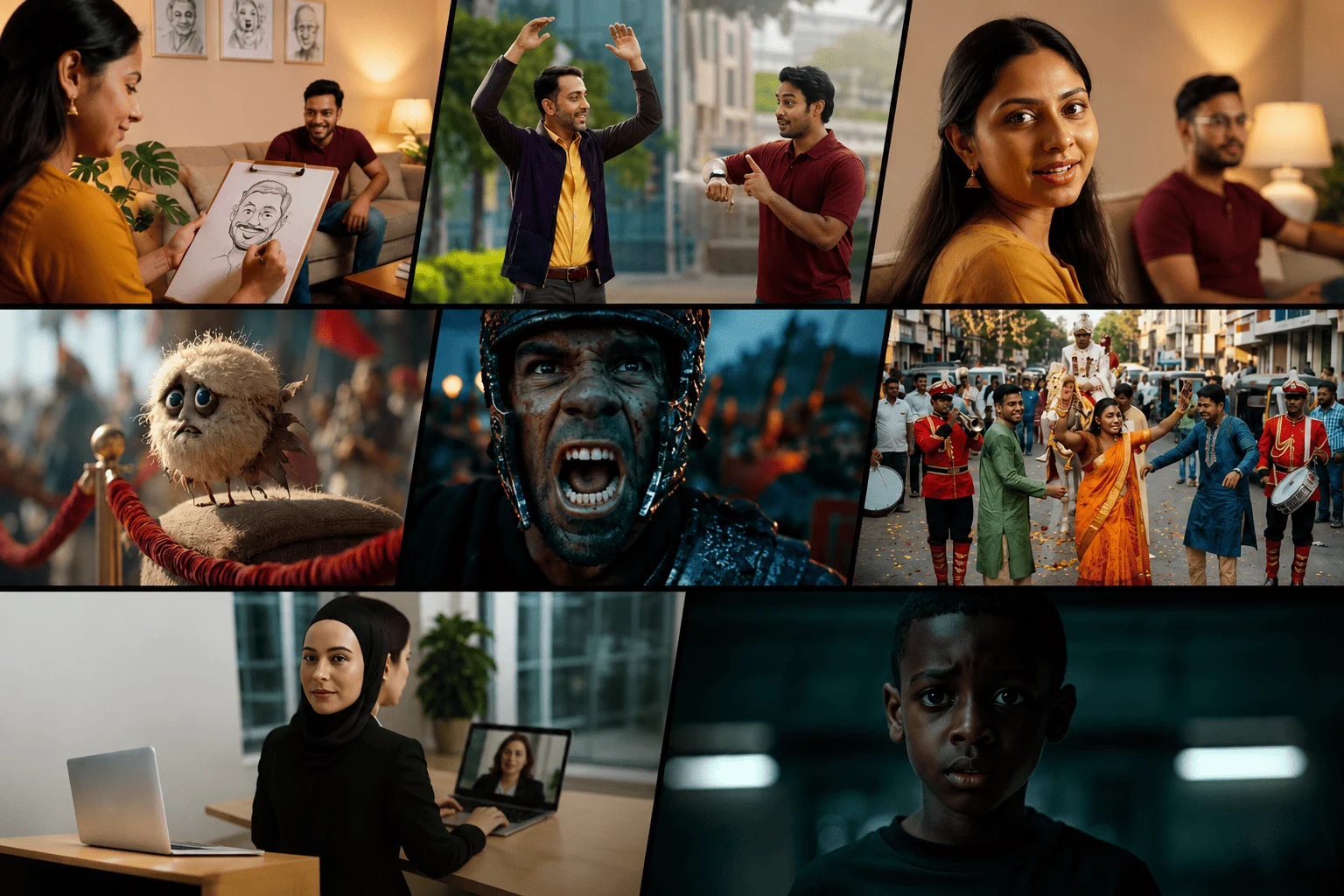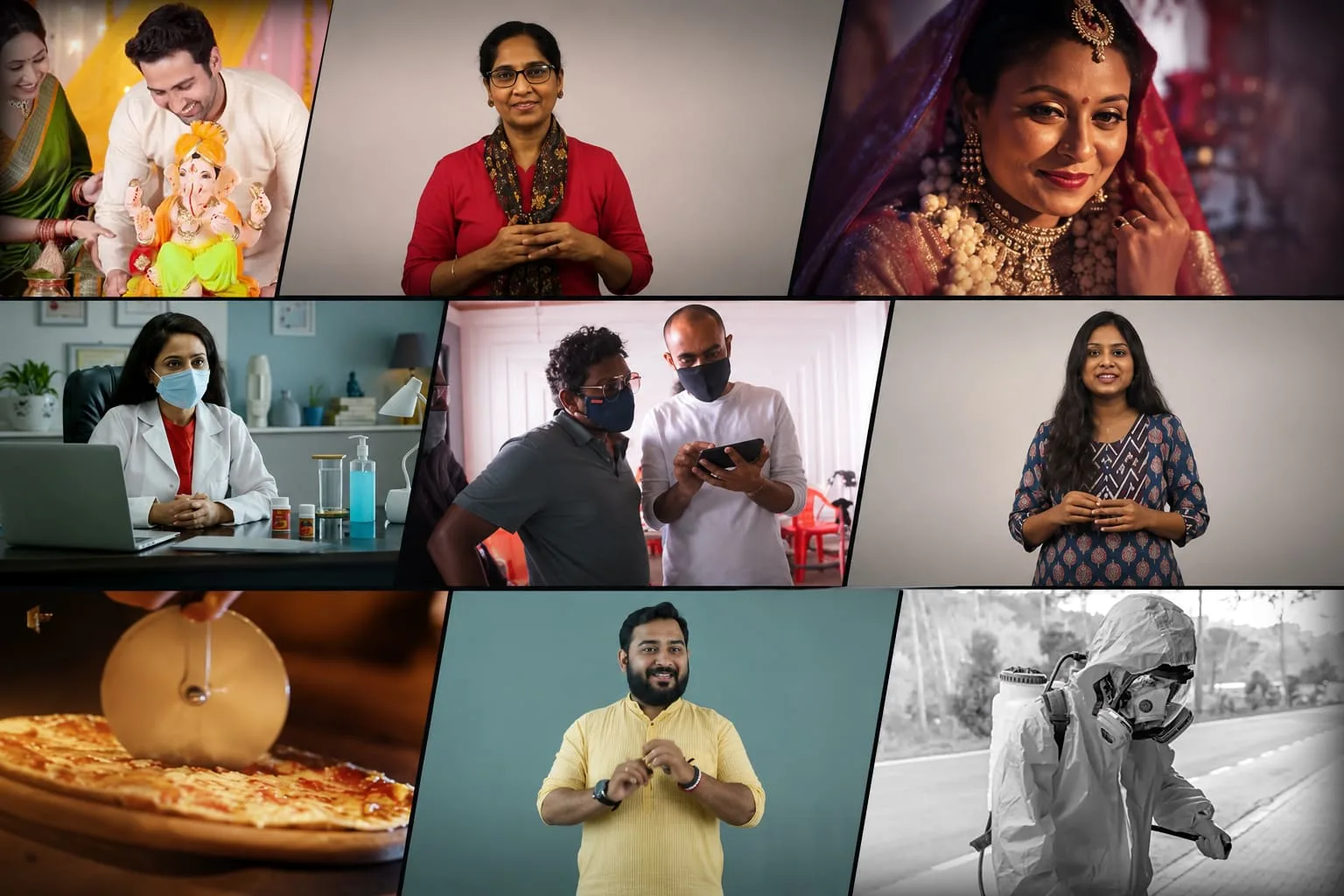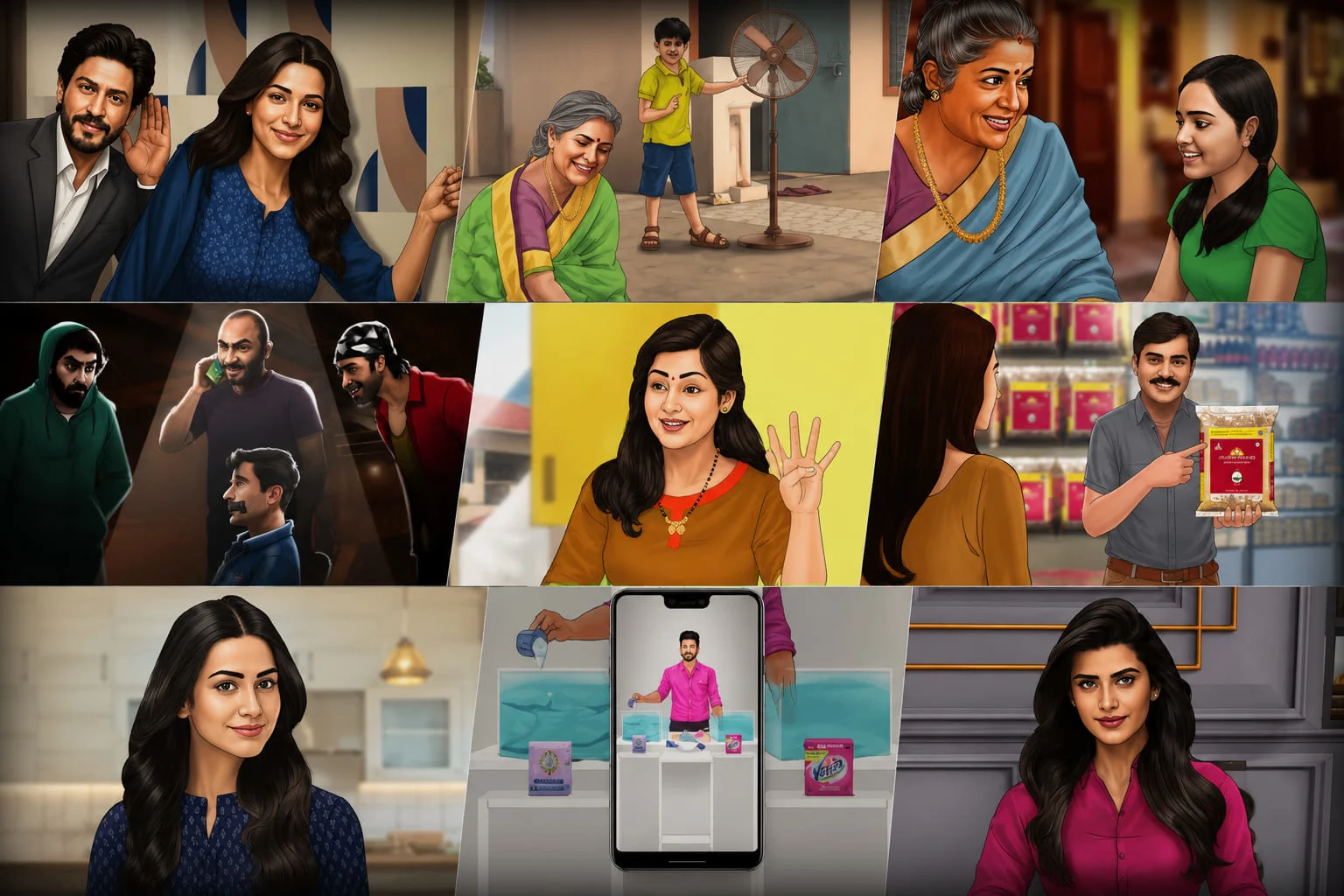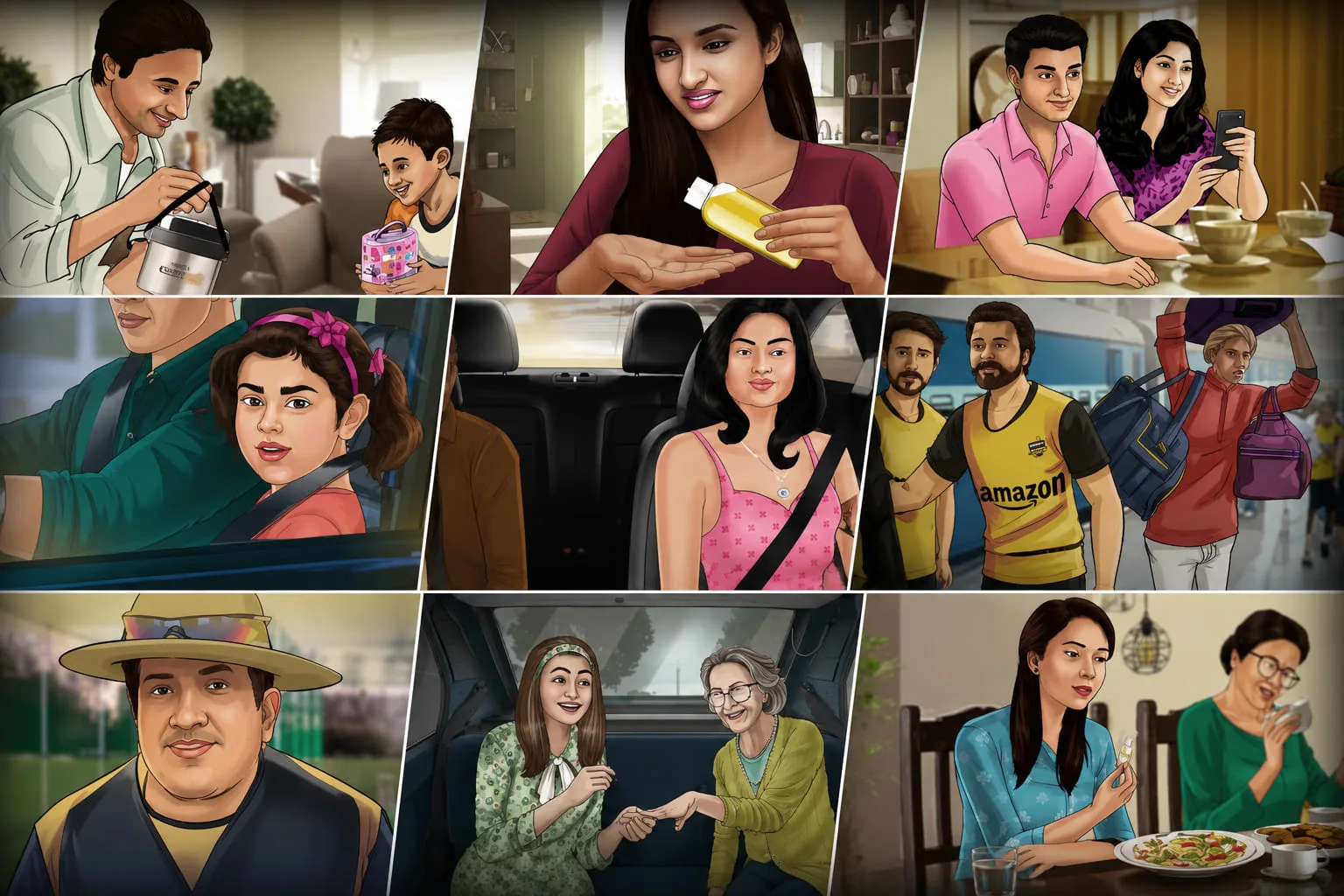
We blend cutting-edge production techniques with artistic vision to deliver high-impact brand narratives. From TV commercials to AI-powered product films, we create premium content that helps brands stand out.
Years Experience
Projects Delivered
Agency Workflow
Production Pipeline
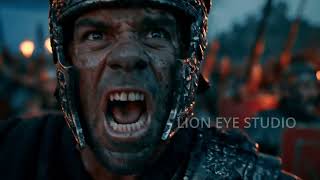
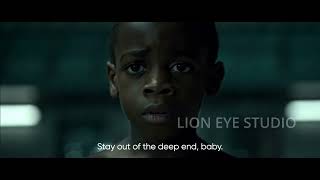
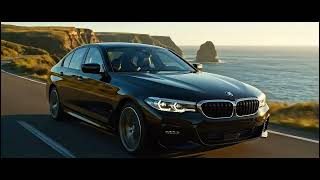
Browse selected commercials, AI films, product videos and advertising projects across multiple industries
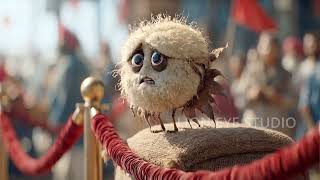
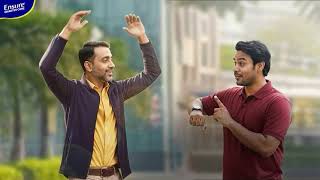
Designed for Instagram, YouTube Shorts, Facebook and other vertical-first platforms that drive daily engagement
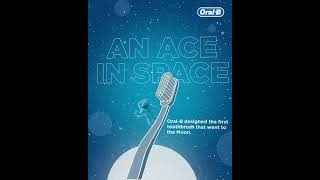

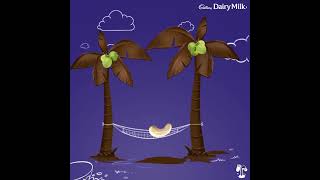
For over 15 years, we've partnered with advertising agencies, national brands, and businesses to create commercials, brand films, product videos, and visual campaigns that deliver results.








Clear communication, focused creative direction and efficient production—from the first brief to final delivery.
We understand your brand, audience, message and campaign goals.
We develop the concept, visual style and references so everyone is aligned before production begins.
We combine AI tools with 15+ years of advertising experience to create polished visuals.
We fine-tune the work through feedback and deliver final assets ready for digital, social media, presentations or campaigns.
We understand your brand, audience, message and campaign goals.
We develop the concept, visual style and references so everyone is aligned.
We combine AI tools with 15+ years of advertising experience to create polished visuals.
We fine-tune the work through feedback and deliver final assets ready for every platform.
For over 15 years, Lion Eye Studio has been helping advertising agencies, businesses, and national & international brands transform ideas into compelling visual experiences.
Our expertise spans TV commercials, advertising films, animatics, digital campaigns, social media content, product films, and visual storytelling—always with one goal: creating work that connects with people and delivers value to brands.
As the creative industry continues to evolve, so do we. Alongside our established production capabilities, we've embraced the latest creative technologies to expand what's possible, enabling us to produce high-quality visuals with greater speed, flexibility, and creative freedom.
What hasn't changed is our approach.
Every project begins with understanding the brand, the audience, and the story that needs to be told. Technology is simply one part of the process. Strong ideas, thoughtful execution, and attention to detail are what define every piece of work we create.
Whether you're planning a commercial, product film, social media campaign, or exploring a new creative direction, we're here to help turn your ideas into work that connects with people and delivers results.